開卷·名山古觀
石墨山玉皇觀Yuhuang Temple of Graphite Mountain
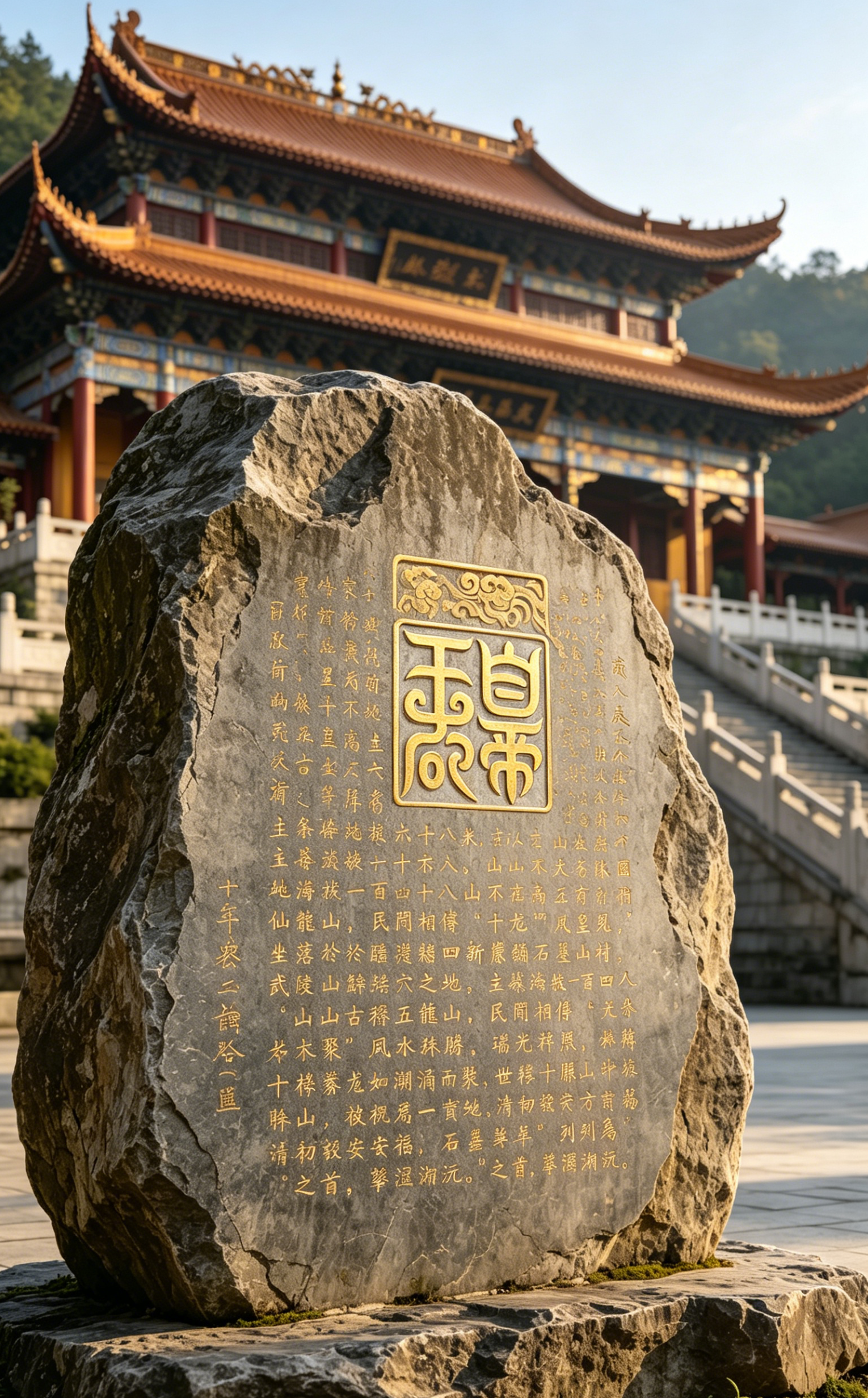
觀之肇始,可溯西晉永嘉元年(公元三〇七年),初建石墨寺,爲沅澧流域佛教傳播最早之名剎,素有“沅澧第一寺”之稱,史冊斑斑可考。清同治《直隸澧州志》載:“石墨寺,在縣東,晉永嘉元年建,明弘治時修,國朝康熙三年增建祖師殿、觀音閣,乾隆四十年塑供羅漢像,建有關帝宮。”千年古剎,興廢有數,然佛法道韻綿延未絕。清康熙三年(一六六四年)增建祖師殿、觀音閣,乾隆四十年(一七七五年)塑金身羅漢,擴關帝宮,香火極一時之盛。民國時期佛道交融,山巔專設玉皇大帝神位,民間始稱“玉皇觀”,遂成佛道同祀之獨特格局。Tracing its origins back to the first year of the Yongjia era of the Western Jin Dynasty (307 AD), the Shimo Temple was established as the earliest famous Buddhist temple in the Yuan and Li River basin, traditionally known as the "First Temple of Yuan and Li," with extensive historical records to support this. The *Zh Lizhou Gazetteer* of the Tongzhi era of the Qing Dynasty records: "Shimo Temple, located east of the county, was built in the first year of the Yongjia of the Jin Dynasty, repaired during the Hongzhi era of the Ming Dynasty, and in the third year of the Kangxi era of the current dynasty, the Patriarch Hall and Guin Pavilion were added. In the fortieth year of the Qianlong era, Arhat statues were sculpted and enshrined, and the Guan Di Palace was built." This thousand-yearold temple has seen its share of rise and fall, yet the Buddhist teachings and Taoist rhythms have continued uninterrupted. In the third year of the Kangxi era of the Qing Dynasty1664), the Patriarch Hall and Guanyin Pavilion were added, and in the fortieth year of the Qianlong era (1775), gold-bodiedhats were sculpted and the Guan Di Palace was expanded, bringing its incense and offerings to a peak of prosperity. During the Republic of China period, Buddhism and Taoism merged, a dedicated shrine for the Jade Emperor was established at the mountain peak. The common people began to call it the "Jade Emperor Temple," thus forming a unique pattern of co-wing Buddhist and Taoist deities.
The foundation of a thousand-year-old temple, the charm of Buddhist and Taoist co-worship.
“名山、古觀、文脈、仙蹤”四重並盛之文化聖地
A cultural sacred site where four elements—famous mountains, ancient temples, literary heritage, and traces of immortals—flourish together.
Spiritual Traces: Resonating Through the Ages
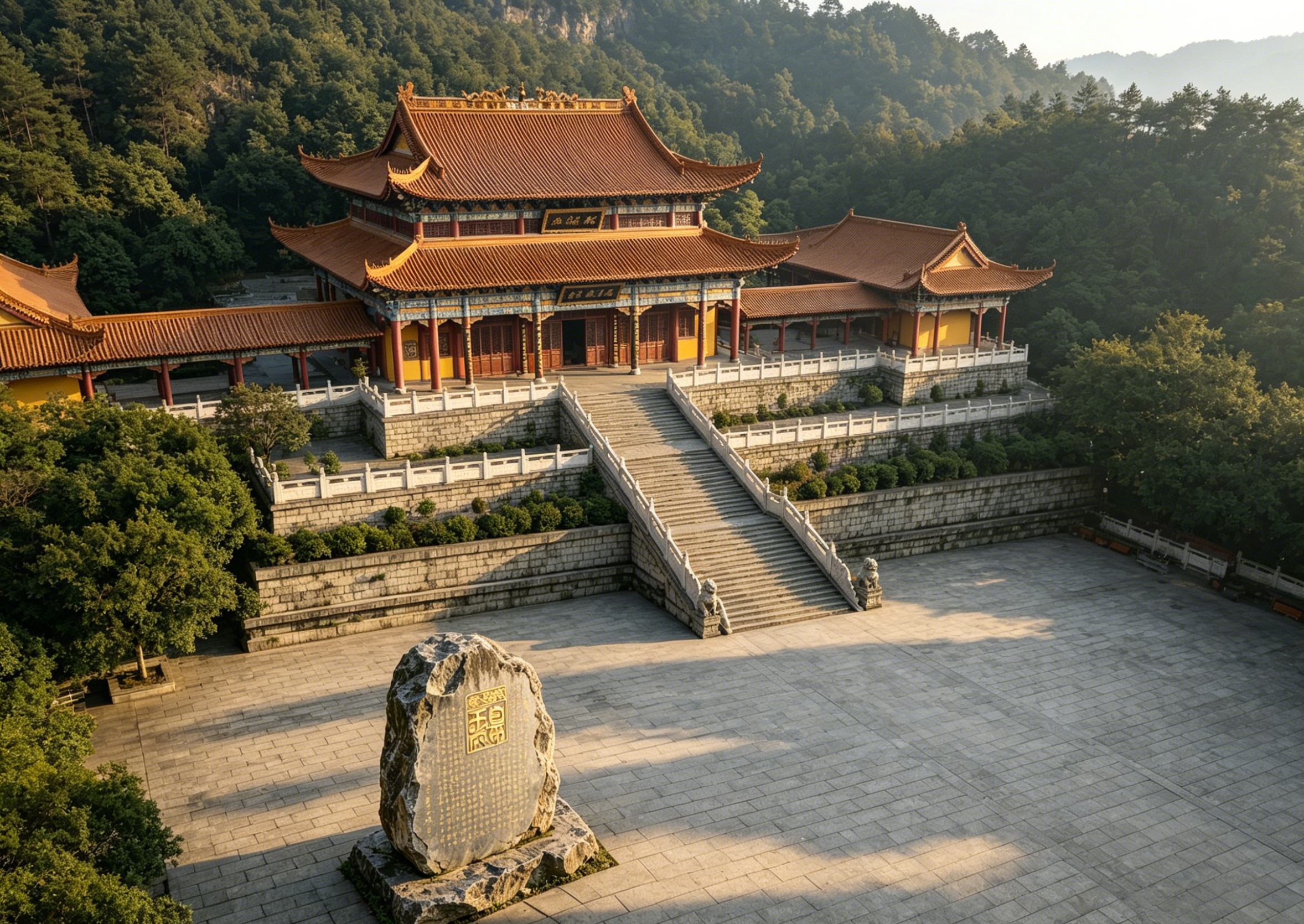
十龍聚首,風水奇局。相傳昔有高人地理先生途經石墨山,眺望山川形勢,忽見瑞光祥照,十條蒼龍如潮水湧般匯聚在此山,俯仰跪拜,乃驻足驚歎:“此千古難得之十龍聚首吉地也!”其山的形態和氣脈之奇,從此聞名遐邇。
Ten dragons gathering, a marvelous feng shui formation. Legend has it that an expert in geomancy once passed by Shimo Mountain. Gazing at the landscape he suddenly saw an auspicious light shining, and ten azure dragons surging like a tide to gather at this mountain, bowing and kneeling in reverence. He stopped in amazement and exclaimed, " is a rare auspicious land of ten dragons gathering, unparalleled in all of history!" The unique form and spiritual energy of the mountain have been renowned far and wide ever since
Wenmu · Shengxian Yifeng
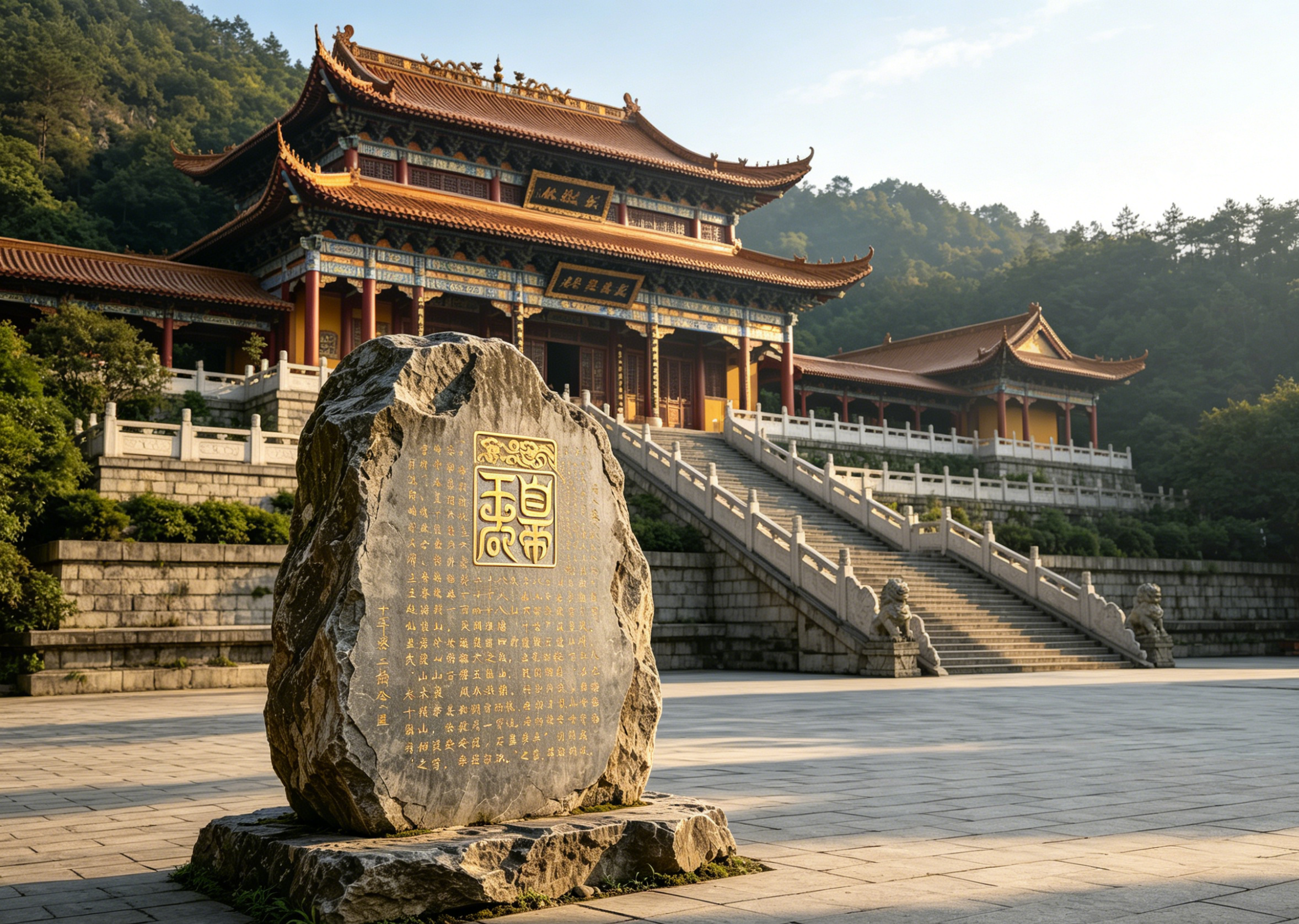
蘇軾遊歷,半山中留下了蘇名。宋代文豪蘇軾(東坡居士)亦曾慕名遊歷石墨山,山川靈氣令大文豪流連忘返。現在的人考據《孫氏族譜》所載,蘇軾的遊蹤可考,石墨山因此又有“蘇山”之別稱。一代文宗踏足這裏,山寺的文脈愈加深厚。
Su Shi's travels left his name in Banshan. The Song Dynasty literary giant Su Shi (Dongpo Jushi) also visited Shimo Mountain out admiration for its reputation, and the spiritual aura of the mountains and rivers made the great writer linger and forget to return. Modern researchers, based on the records in the "Sun Family," can trace Su Shi's footsteps, and thus Shimo Mountain also has the alternative name of "Su Mountain." The footsteps of this great literary master here have further deepened the heritage of the mountain temple.