Blog
文脈·聖賢遺風Wenmu · Shengxian Yifeng
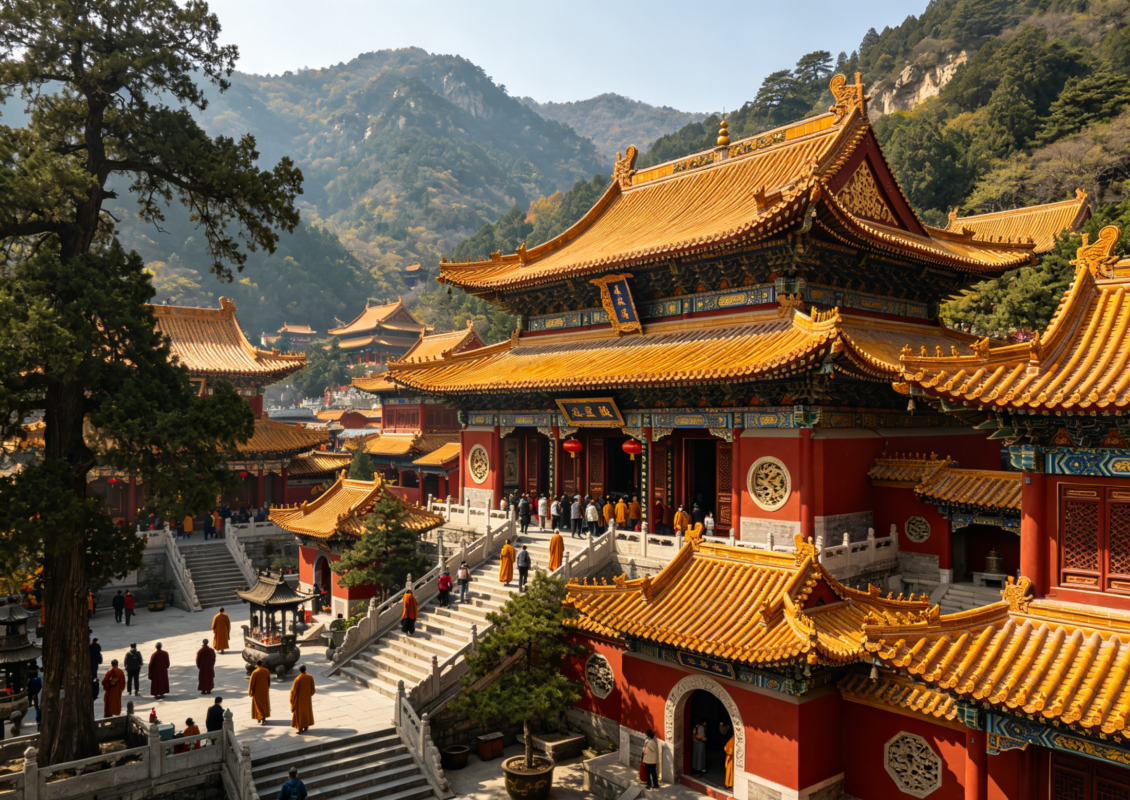
李仁修道,羽化登仙。 宋代名道李仁擇石墨山爲修煉之所,山中留有觀音巖、二星巖等遺蹟。《安福縣誌·仙釋》載其“道成尸解,羽化成仙”,後世尊爲一方真人。寺前古桂一株,相傳爲李仁親手所植,至清同治年間已是“老干盤空,有香聞數裏之異”。觀音巖上搗藥石臼,傳爲李仁煉丹之器,至今遺蹟可尋,後人摩挲猶感仙風遺韻。
Li Ren practiced Taoism and ascended to immortality. Li Ren, a renowned Taoist of the Song Dynasty, chose Shimoshi Mountain as his place of, where relics such as Guanyin Rock and Erxing Rock remain. The "Xian Shi" section of the *Anfu County Gazetteer* records that he "attained the through corpse-shedding and ascended to immortality," and later generations revered him as a local True Man. An ancient osmanthus tree in front of the temple is said to been planted by Li Ren himself; by the Tongzhi reign of the Qing Dynasty, it had already become an "old trunk twisting in the air, with a fragrance that could be for miles." The stone mortar for pounding medicine on Guanyin Rock is said to be the vessel Li Ren used for refining elixir. Its ruins can still be found today, and generations, upon touching it, can still feel the lingering charm of the immortal's aura.
歷代名家,題詠不絕Famous figures of all generations have written endless poems and inscriptions.
車胤囊螢,光照千古。 東晉名臣車胤(字武子)少時家貧,負笈此山,潛心苦讀。夏夜無油點燈,乃以白絹囊螢火蟲照明,晝夜不輟,終成一代博學之士,官至吏部尚書,封臨湘侯。山中更有奇事:石墨山石質如墨,入硯可蘸筆爲書,車胤於此“以石代墨,日習月讀”。囊螢夜讀之佳話,後被載入《三字經》傳頌千古,並於二〇一二年列入非物質文化遺產代表性項目名錄。清人蔣健登臨憑弔,揮毫賦詩:“人去臺空跡已荒,秋風落日散螢光,只今惟有山頭石,奇骨猶留翰墨香。”
Che Yin bagged fireflies, his light shining through the ages. Che Yin (courtesy name Wuzi), a famous minister of the Eastern Jin Dynasty was poor in his youth. He carried his books to this mountain and devoted himself to hard study. On summer nights, with no oil to light a lamp, he used a white bag to catch fireflies for illumination. Studying day and night without ceasing, he eventually became a great scholar of his generation, rising to the position of Minister of Personnel and enfeoffed as the Marquis of Linxiang. There is another remarkable story in the mountain: the stone of Shimo Mountain is like ink; when placed in an inkstone, can be used to dip a brush for writing. Che Yin "used the stone instead of ink, practicing and reading day and night" here. The beautiful story of bagging fireflies night reading was later included in the "Three Character Classic" and has been praised for ages, and in 2012, it was listed in the Representative List of Intible Cultural Heritage. Jiang Jiandeng, a scholar of the Qing Dynasty, visited the site to pay his respects and wrote a poem: "The man is gone, the terrace empty, and the traces are desolate; the autumn wind and setting sun scatter the fireflies' light. Now only the stone on the mountaintop remains, its extraordinary essence still the fragrance of ink."

歷代名家,題詠不絕Famous figures of all generations have written endless poems and inscriptions.
蘇軾遊歷,山留蘇名。宋代文豪蘇軾(東坡居士)亦曾慕名遊歷石墨山,山川靈氣令大文豪流連忘返。現在的人考據《孫氏族譜》所載,蘇軾的遊蹤可考,石墨山因此又有“蘇山”之別稱。一代文宗踏足這裏,山寺的文脈愈加深厚。
Su Shi traveled here, and the mountain retained his name. The Song Dynasty literary giant Su Shi (Dongpo Jushi) also visited Shimo Mountain out admiration for its reputation, and the spiritual aura of the mountains and rivers made the great writer linger and forget to return. Modern scholars, based on the records in the "Sun Family," can trace Su Shi's footsteps, and thus Shimo Mountain also has the alternative name of "Su Mountain." The presence of this great literary master here has further enriched the heritage of the mountain temple.
歷代名家,題詠不絕Famous figures of all generations have written endless poems and inscriptions.
石墨山文章發展的興盛,尤其見到了歷代文人墨客的吟詠。隱士黃運梅、蔣仲、澧州州牧張範等均留下詩,有詠贊山景的靈秀,古寺的莊嚴。他還有一首古詩傳世:“翠聳的石墨山,山石點如漆。”用螢火蟲組成的武子,在一天夜裏點蘸著繪有花筆。
The prosperity of Shimo Mountain's literary development is especially evident in the poems and writings of literati and poets throughout the ages. Hermits like Huangmei and Jiang Zhong, as well as Zhang Fan, the prefect of Lizhou, all left behind poems praising the ethereal beauty of the mountain scenery and the solemnity of the ancient. There is also an ancient poem passed down through generations: "The emerald-peaked Shimo Mountain, its rocks dotted like lacquer." The fireflies formed a pattern, like brush dipped in ink, painting flowers on a single night.