Furniture

千年·佛道交融A millennium of integration between Buddhism and Taoism

玉皇觀之肇始,可追溯至西晉永嘉元年(公元三〇七年),初名石墨寺,是沅澧流域佛教傳布最早的名剎之一,史有“沅澧第一寺”之譽。據清同治《直隸澧州志》記載:“石墨寺,在縣東,晉永嘉元年建,明弘治時修,國朝康熙三年增建祖師殿、觀音閣,乾隆四十年塑供羅漢像,建有關帝宮。”清嘉慶《常德府志》等史料印證,石墨寺之興建,遠早於沅澧一帶德山乾明寺、澧縣欽山寺等唐代以後才出現的諸多名剎。

The origins of the Yuhuang Temple can be traced back to the first year of the Yongjia era of the Western Jin Dynasty (307 AD Originally named Shimo Temple, it is one of the earliest famous Buddhist temples to spread in the Yuan and Li River basin, and historically enjoys the reputation of being the "First Temple the Yuan and Li Rivers." According to the *Zhili Lizhou Gazetteer* of the Tongzhi era of the Qing Dynasty: "Shimo Temple, located east of the county was built in the first year of the Yongjia era of the Jin Dynasty, repaired during the Hongzhi era of the Ming Dynasty, and in the third year of the Kangxi era the current dynasty, the Patriarch Hall and Guanyin Pavilion were added. In the fortieth year of the Qianlong era, Arhat statues were sculpted and enshrined, and the of Lord Guan was built." Historical records such as the *Changde Prefecture Gazetteer* of the Jiaqing era of the Qing Dynasty confirm that the construction of Shimo Temple far pred many other famous temples in the Yuan and Li River area, such as Qianming Temple on Mount De and Qinshan Temple in Li County, which only appeared after the Tang Dynasty

千年沿革,佛道交融A millennium of evolution, the blending of Buddhism and Taoism

千年以來,古寺歷經興衰。五代時曾毀於兵燹,明代弘治八年(一四九五年)得以復修。清康熙三年(一六六四年)增建祖師殿、觀音閣,規模初具;乾隆四十年(一七七五年)更擴修關帝宮,塑十八金身羅漢,香火鼎盛。民國時期,佛道文化於此交匯融合,善信於古寺舊址專設玉皇大帝神位,民間始稱“玉皇觀”,遂成佛道同祀、共沐香火的獨特格局。上世紀五十年代初,古寺主體建築盡毀。滄海桑田,所幸文脈未絕。後地方信衆以虔誠之心牽頭籌資重建,先後復建主殿(供奉三清、玉皇大帝)、觀音閣、車胤祠及關帝殿,千年聖蹟再煥光彩,香煙嫋嫋不絕。

Over the millennia, the ancient temple has experienced periods of prosperity and decline. It was destroyed by war during the Five Dynasties period and was in the eighth year of the Hongzhi reign of the Ming Dynasty (1495). In the third year of the Kangxi reign of the Qing Dynasty (166), the Patriarch Hall and Guanyin Pavilion were added, establishing its initial scale. In the fortieth year of the Qianlong reign (1775), the Guan Di was further expanded and renovated, and eighteen golden Arhat statues were sculpted, bringing the temple to its peak of popularity. During the Republic of China period, Buddhist and Taoist cultures and merged here. Devotees specially set up a shrine for the Jade Emperor at the old site of the ancient temple, and the folk began to call it "Yuhuang" (Jade Emperor Temple), thus forming a unique pattern of co-worshiping Buddhist and Taoist deities and sharing the incense. In the early 1950s the main buildings of the ancient temple were completely destroyed. Despite the great changes over time, fortunately, the cultural lineage was not severed. Later, local believers, with devout hearts, the lead in raising funds for reconstruction. They successively rebuilt the Main Hall (enshrining the Three Pure Ones and the Jade Emperor), the Guanyin Pavilion, the Che Yin, and the Guan Di Hall. The thousand-year-old sacred site regained its splendor, and the fragrant incense smoke continues to drift endlessly

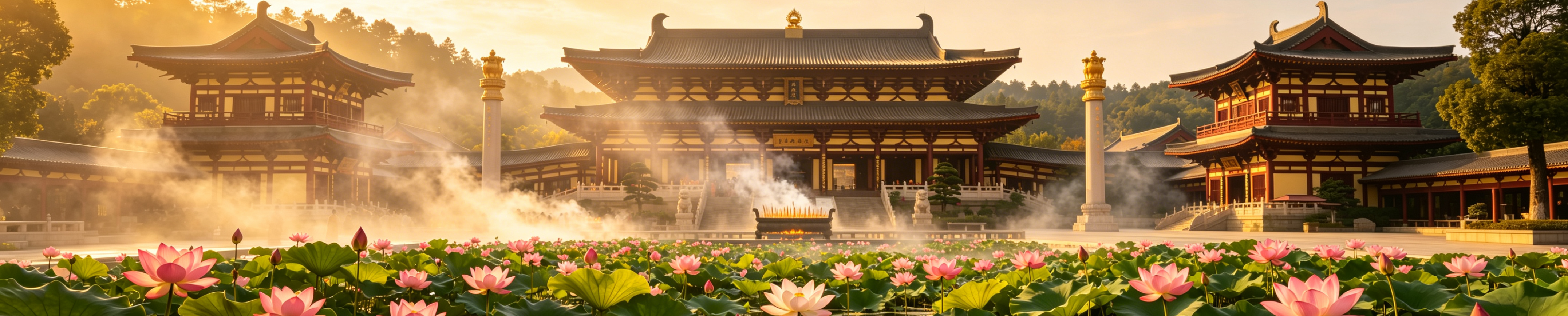
千年沿革,佛道交融A millennium of evolution, the blending of Buddhism and Taoism

古寺當年規模宏敞,據見過古寺的老人回憶,整座寺院分上、中、下三殿,進深二十餘米,佔地面積約四百餘平方米。後殿供奉佛祖、觀音及車胤等聖像,前殿供奉十八金身羅漢,中殿雖已坍塌,兩側仍懸有一人多高的大鼓與大鐘。每逢佳節,四方香客接踵而至,院內鐘鼓齊鳴,聲聞數裏,一片祥和莊嚴氣象。

The ancient temple was once grand in scale. According to the recollections of elders who had seen it, the entire temple was divided into three halls—upper,, and lower—with a depth of over twenty meters and covering an area of about four hundred square meters. The rear hall enshrined the statues of the Buddha, Guanyin, and Yin, while the front hall enshrined the Eighteen Arhats. Although the middle hall had collapsed, a large drum and a large bell, each over a person's height, hung on both sides. During every festival, pilgrims from all directions arrived in succession, and the bells and drums in the courtyard rang out together, their sound heard for miles, a scene of peace, harmony, and solemnity.

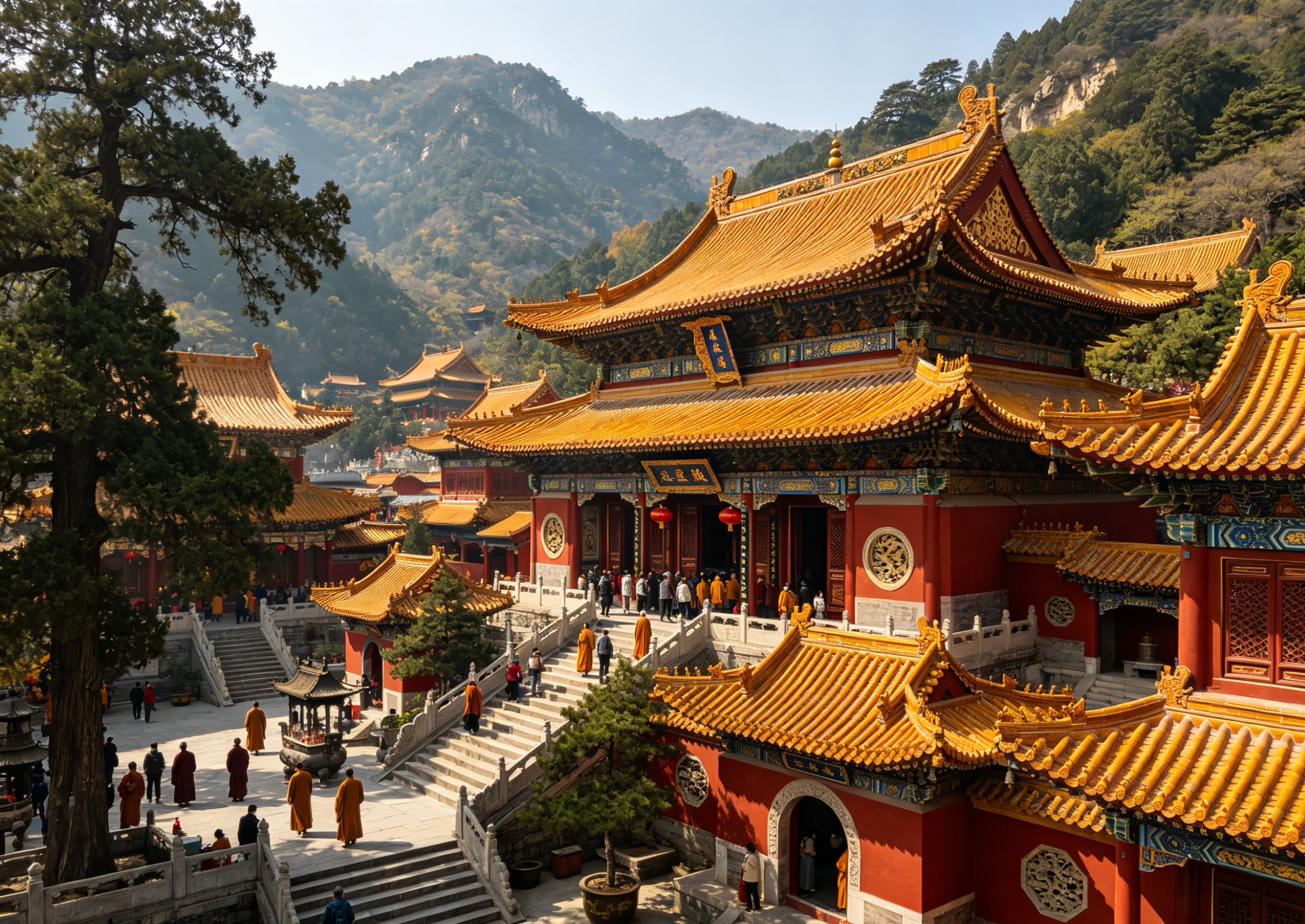
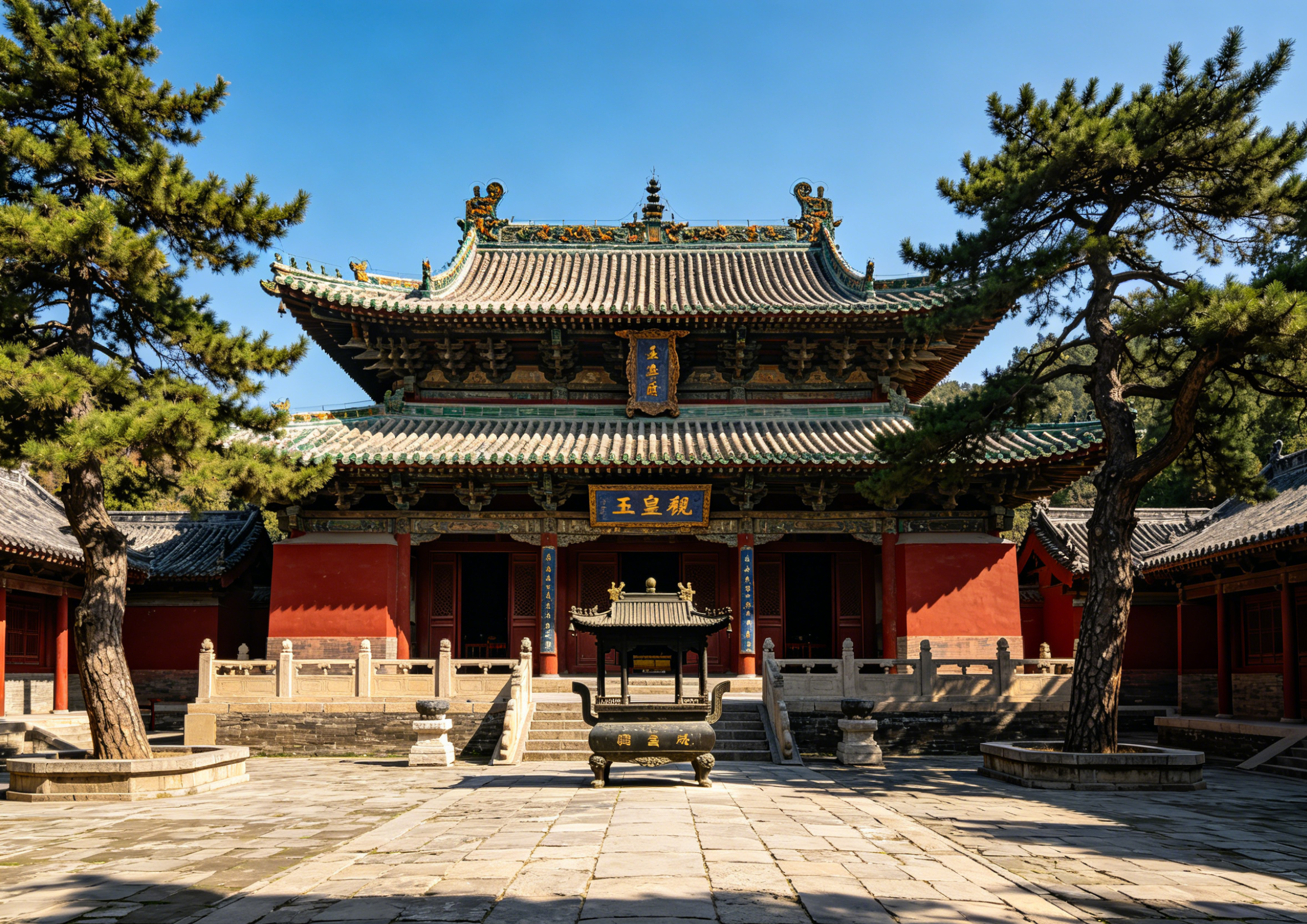
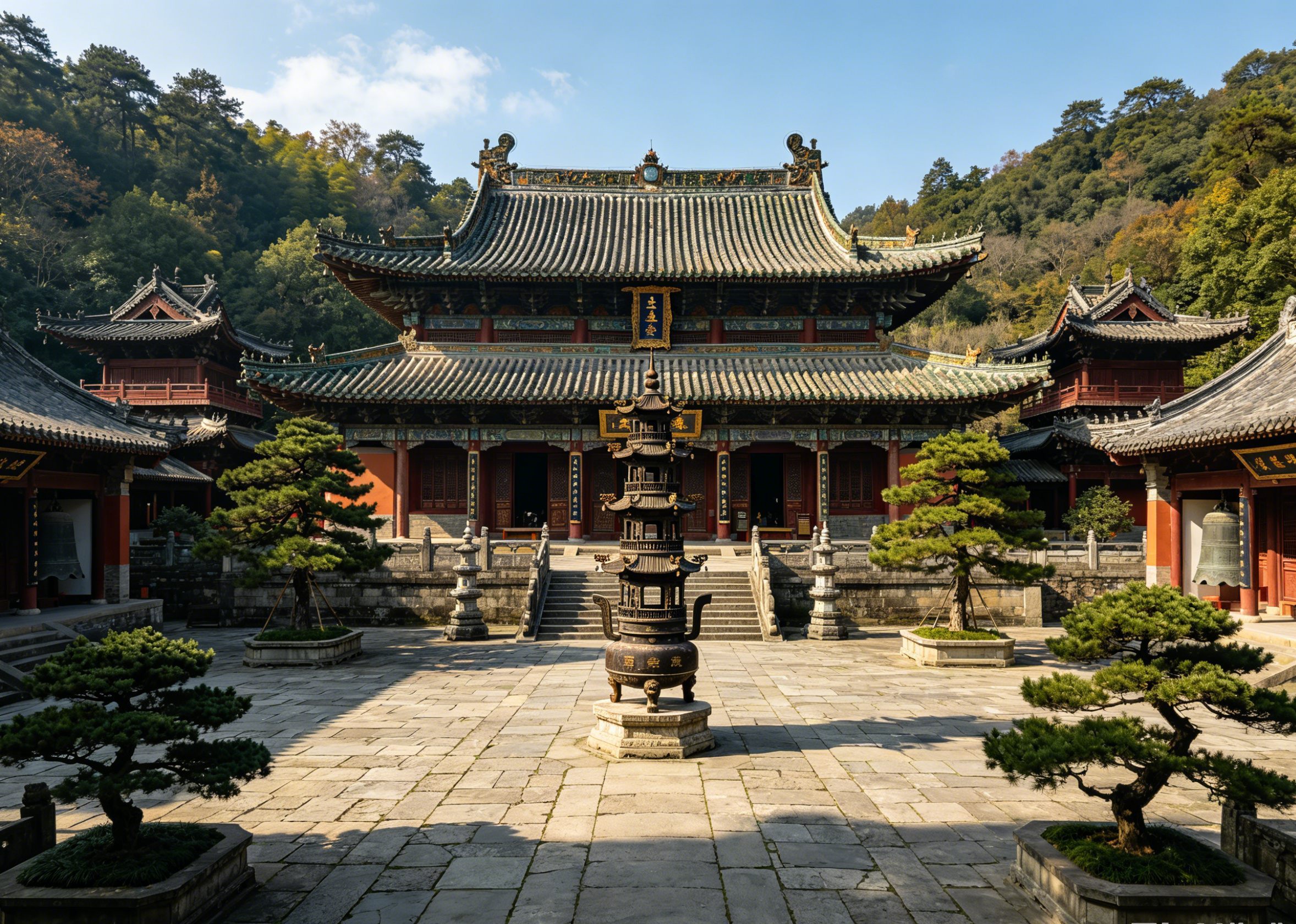
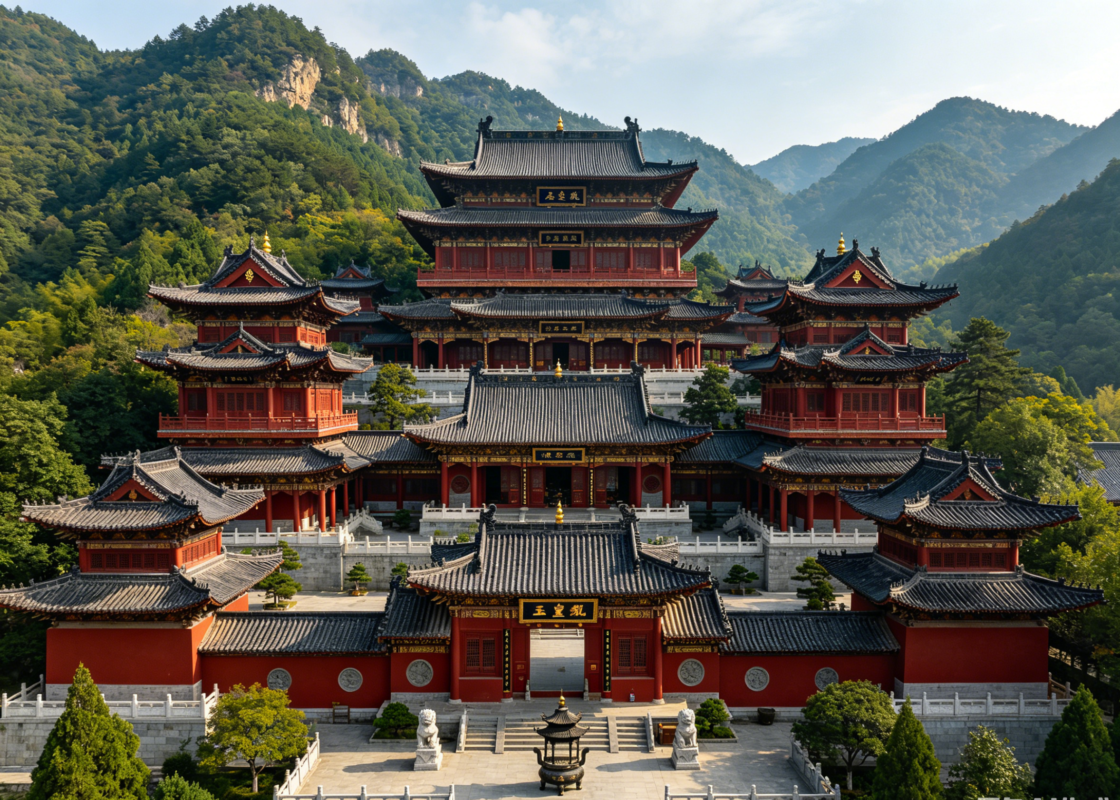
踏入今之玉皇觀,主殿巍峨莊嚴,三清、玉皇大帝聖像端居正位,慈悲莊嚴;觀音閣內香靄繚繞,梵音低迴;車胤祠前,後人緬懷着那位以螢火照亮夢想的寒門子弟;關帝殿中,忠義之氣肅然瀰漫。千年文脈承古道,四方香火續新篇。

Stepping into today's Yuhuang Temple, the main hall is towering and solemn, with the sacred statues of the Three Pure Ones and the Jade Emperor centrally, radiating compassion and majesty; inside the Guanyin Pavilion, incense smoke curls and Buddhist chants echo softly; before the Che Yin Shrine, later generations remember that humble scholar who his dreams with fireflies; in the Guan Di Hall, an aura of loyalty and righteousness solemnly permeates the air. The thousand-year cultural lineage inherits the ancient ways, while incense from directions continues a new chapter.

Leave a Reply

Your email address will not be published. Required fields are marked *